






Creating Safer Construction Sites with IoT, Smart Wearables and Environmental Monitoring
Construction sites are dynamic environments. Workers, heavy equipment, materials, vehicles, changing weather conditions, dust, gases, temperature, and numerous simultaneous activities can all exist within the same project.
Maintaining visibility across such an environment can be challenging.
IoT technology offers a new way to support construction safety by connecting workers, equipment, and environmental conditions to real-time digital systems.
What Is IoT-Based Construction Safety?
IoT-based safety uses connected devices and sensors to collect information about conditions across a construction site.
These technologies can include environmental sensors, RFID systems, connected wearables, smart helmets, smartwatches, equipment sensors, and other IoT devices.
The objective is not to replace safety professionals or established HSE procedures.
Instead, connected technology can provide teams with additional information that helps them understand conditions across the job site and respond more effectively when attention is required.
Smart Wearables and Connected Workers
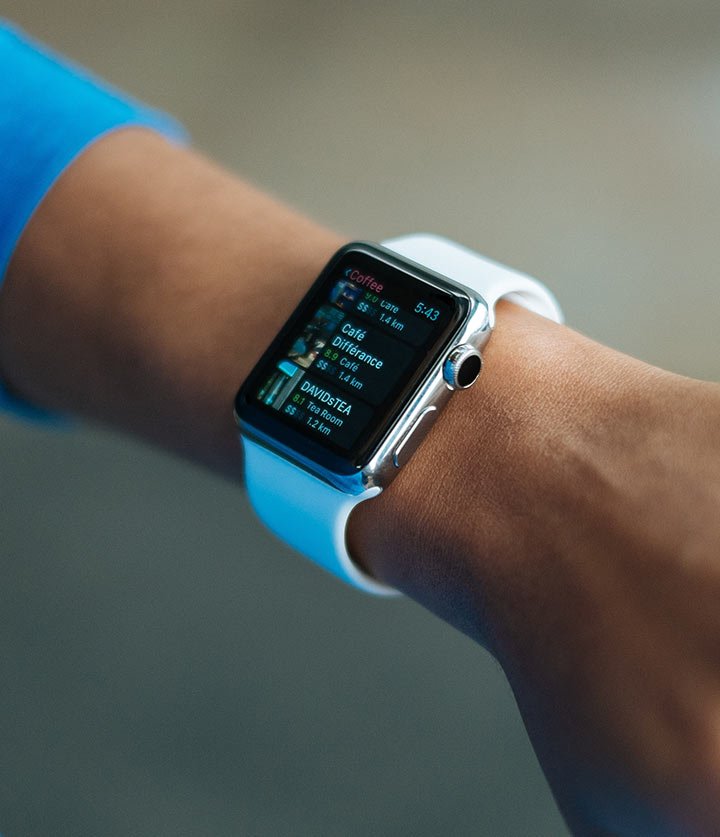
Wearable technology creates opportunities to connect workers to the digital job site.
Depending on the technology used and appropriate privacy and safety policies, connected wearables may provide information such as location, movement activity, wearer detection, and certain physical or environmental measurements.
Smart helmets, RFID tags, and wearable devices can potentially become part of a broader worker-safety system.
For example, location-aware technologies may help teams understand where workers are operating in relation to designated areas.
The important concept is context.
A single sensor reading may have limited meaning. Combining multiple sources of information can provide a clearer picture of what is occurring on site.
Monitoring the Job-Site Environment
Worker safety is also influenced by environmental conditions.
Connected environmental sensors can monitor factors such as:
- Temperature
- Humidity
- Air quality
- Smoke
- Atmospheric conditions
- Selected gases
Depending on the project and sensor configuration, monitoring can also include specific gases such as carbon dioxide, methane, LPG/butane, or hydrogen.
Instead of relying entirely on periodic measurements, connected sensors can provide ongoing information about changing site conditions.

Real-Time Alerts and Earlier Awareness
Collecting safety data is useful only if the right information reaches the right people.
This is where notifications and alerts become important.
A connected system can monitor predefined conditions and notify relevant personnel when measurements require attention.
For example, if an environmental sensor detects that a monitored value has crossed a configured threshold, the system could generate an alert for further investigation.
The final safety decision remains with qualified personnel, but technology can help provide earlier awareness.
Connecting Safety with the Entire Project
One of the most powerful aspects of IoT is the ability to connect previously separated information.
Worker data does not necessarily have to exist independently from equipment or environmental information.
A connected construction platform can bring together information from equipment, materials, workers, sensors, and project activities.
This creates a broader operational picture.
AI and analytics can then help process these data streams, identify patterns, organize information, and surface insights for decision-makers.
Building a Safer, Smarter Job Site
At CLIMAX IoT Innovation, safety and HSE monitoring are part of a larger vision for connected construction.
Our approach brings together IoT sensors, smart devices, edge and cloud computing, AI, and real-time analytics to transform job-site information into actionable intelligence.
Technology alone cannot create a safe construction site. Safety depends on people, processes, training, standards, and responsible management.
But technology can give those people better visibility and better information at the right time.
That is where IoT can make a meaningful difference: connecting the physical construction environment with digital intelligence so teams can identify changing conditions earlier and make more informed decisions.
The smart construction site of the future will not just be more connected. It will use those connections to help people work more intelligently and safely.
